
From pledge to platform: one week
By Alison Carroll ·
Last weekend, at a Living Thames gathering, I wrote a pledge on a luggage tag. One week later, WeKnowWhatWorks.Net is live. This is the story of how we got here — and why it matters.
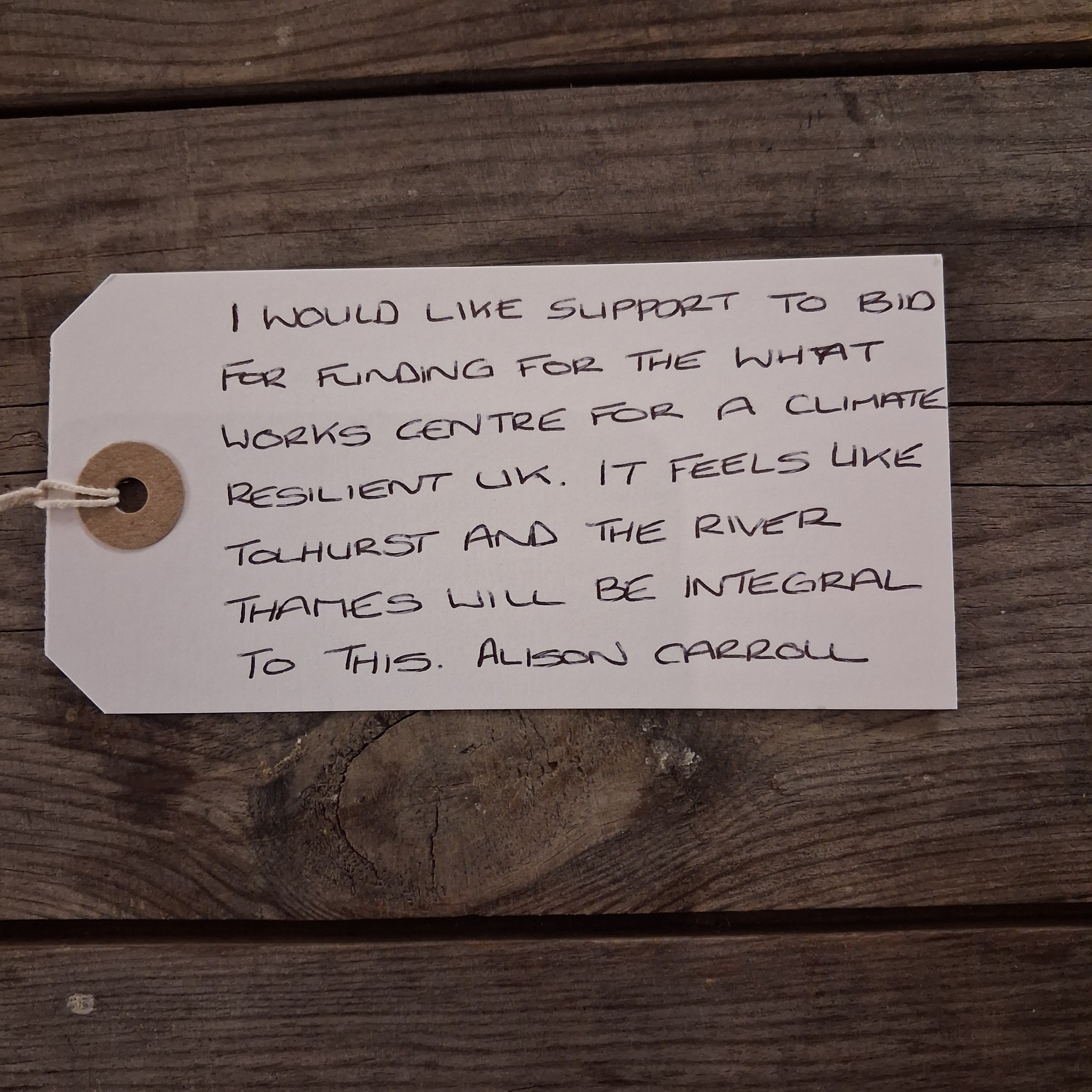
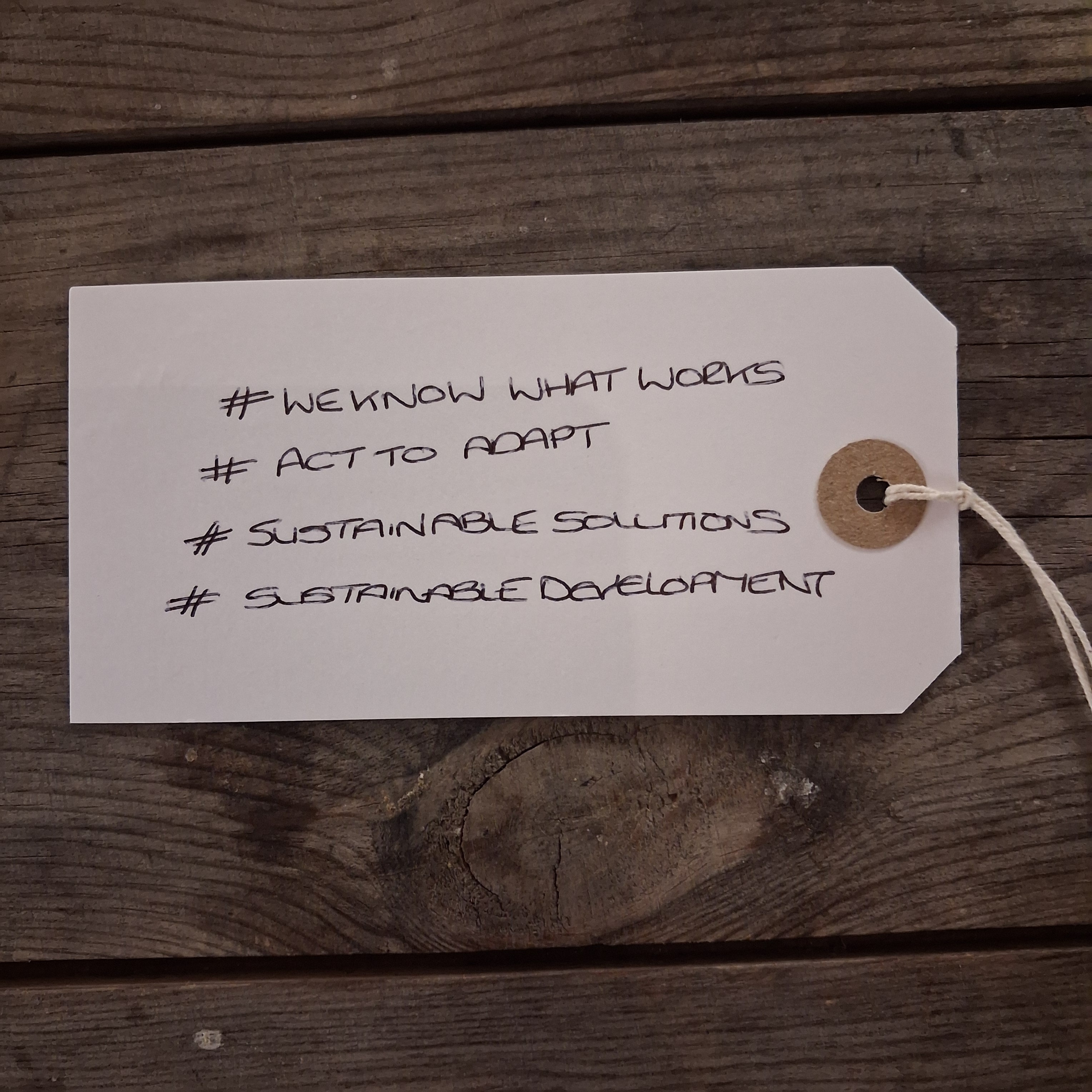
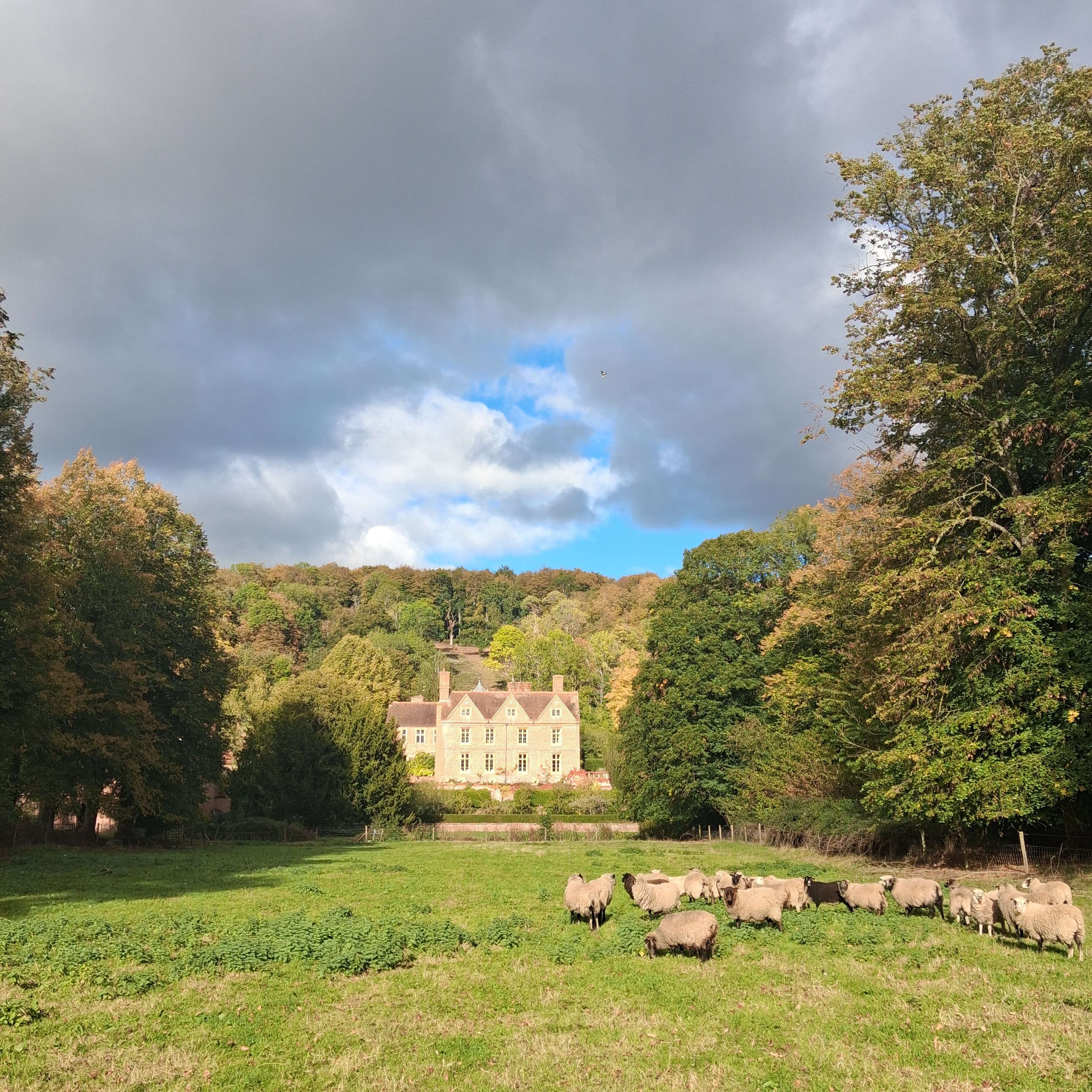
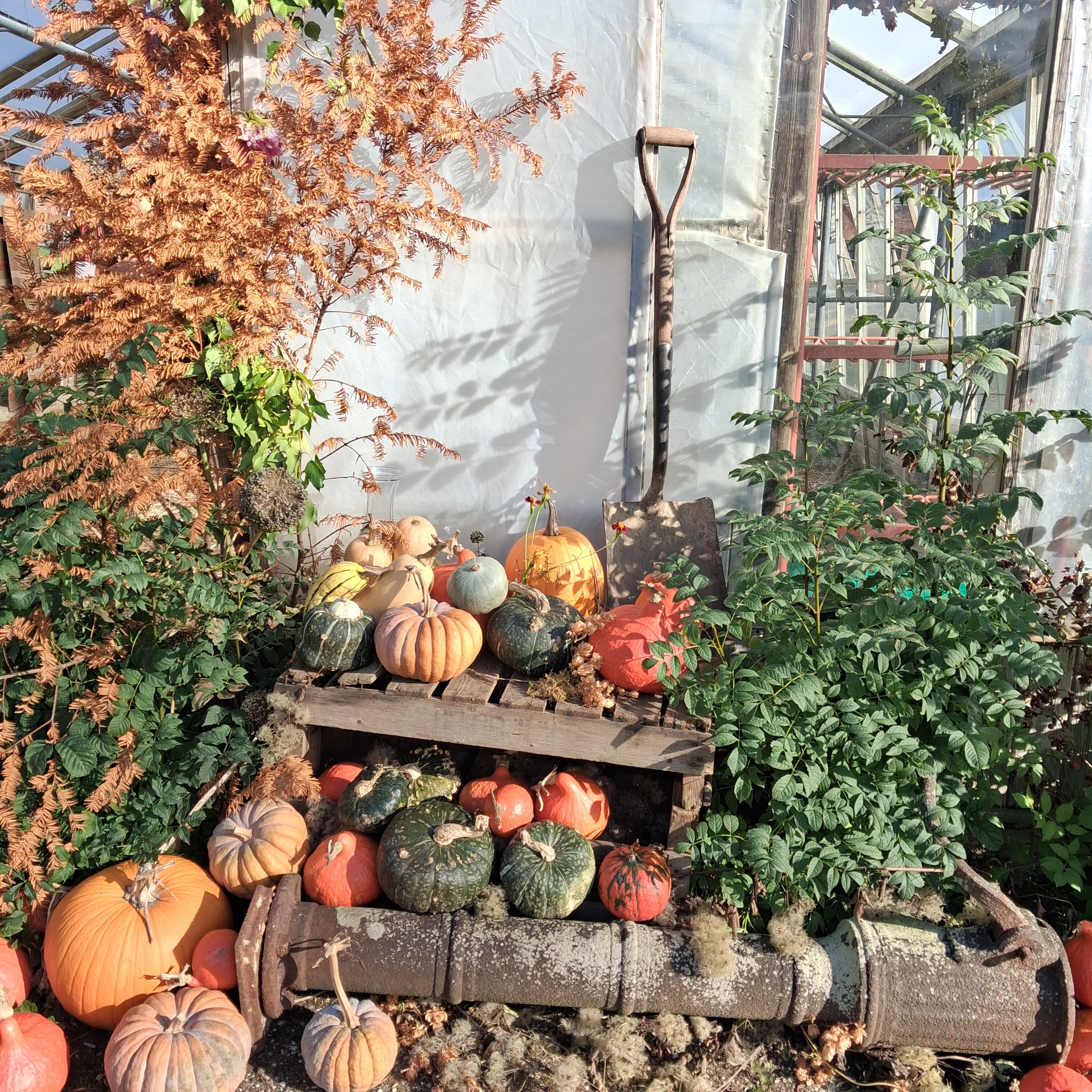
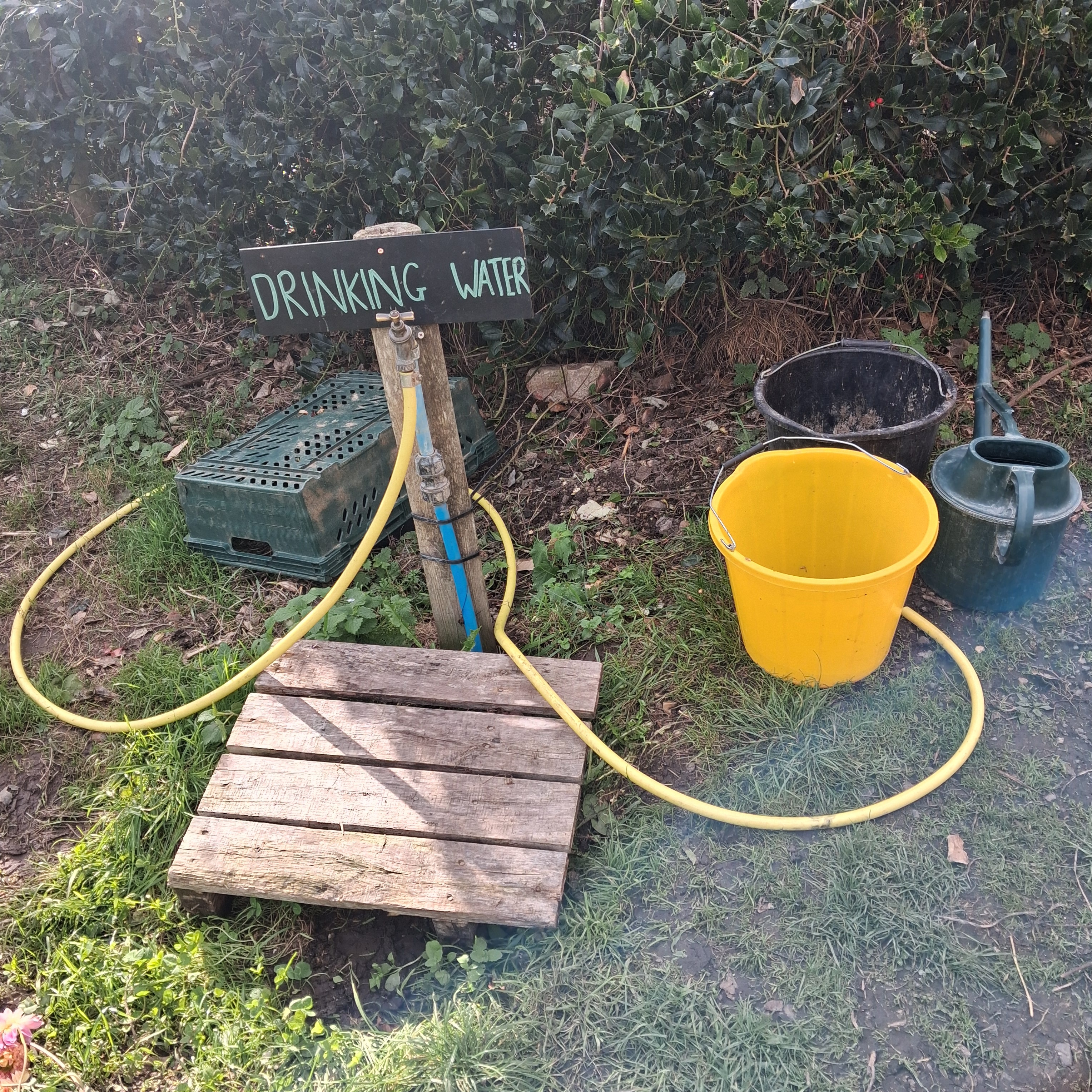
Last weekend, at a Living Thames gathering, I wrote a pledge on a luggage tag.
"I would like support to bid for funding for the What Works Centre for a Climate Resilient UK. It feels like Tolhurst and the River Thames will be integral to this."
I signed it. I meant it. And here we are, one week later.
The poppy and the promise
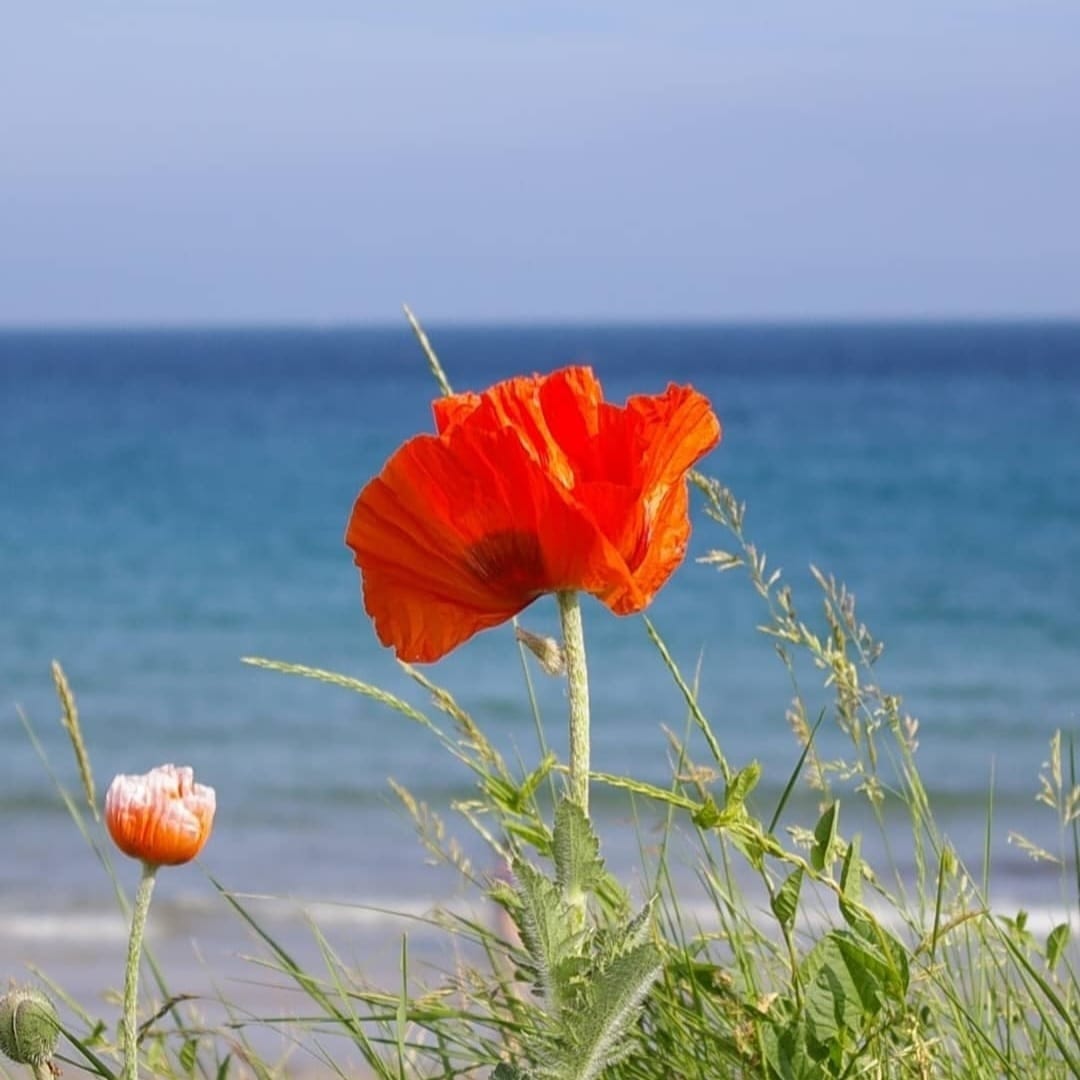
The symbol of WeKnowWhatWorks.Net is a poppy — aged terracotta-rose petals cradled in fresh green leaves, with a geometric network grid woven through it. It is not an accident that it looks the way it does.
During the lockdowns of the early 2020s, I commissioned a Cornish artist to weave my poppy into something beautiful. That woven poppy — aged terracotta-rose petals held in living green — became the emblem of everything I was trying to hold together: remembrance and renewal, accumulated wisdom and fresh energy, the past and the future, woven together by hand.
Remembrance matters to me. Working with veterans matters to me. I have cPTSD, and earlier this year I worked with PTSD Resolution — a charity doing extraordinary things for people living with post-traumatic stress. That work, and the people I met through it, made this possible. Being ill was not me. This is me.
Nearly 30 years of knowing what works
I have spent nearly three decades working on some of the UK's most significant and sensitive environmental projects.
The £1.5 billion South West Water Clean Sweep programme, which transformed Cornwall's bathing waters. The Tintagel Castle Footbridge — a bridge built through collaboration, spanning a chasm in one of England's most extraordinary landscapes, where I stood with my son and understood with complete clarity why this work matters. Wytch Farm in Dorset, 39 planning applications and a Landscape Enhancement Fund. The Avon WTW Support Scheme, 13 kilometres through Dartmoor, CIWEM and Green Apple awards.
In every case, the lesson was the same: when evidence, collaboration and genuine commitment to the environment come together, remarkable things are possible.
The challenge has never been the absence of evidence. It has been the gap between what is known and what is done.
For his generation
I stood on the Tintagel bridge with my son. Those are our feet in the photograph — his and mine, standing on the red deck, the ancient landscape visible through the gap below.
His generation was shaped by the disruptions of the early 2020s: the pandemic, the accelerating climate emergency, the growing sense that the systems we inherited are not equal to the challenges ahead. The lockdowns took something from young people that is not easily returned.
WeKnowWhatWorks.Net is my response to that. To take everything I have learned across three decades of practice — the evidence, the relationships, the hard-won understanding of what actually works in the real world — and make it available to the people who need it most.
Architects and engineers. Researchers and practitioners. Artists and youth groups. Neurodivergent communities. Veterans. Local authorities and national government. Communities living with flood risk and coastal erosion and urban heat. Everyone.
The Living Thames connection
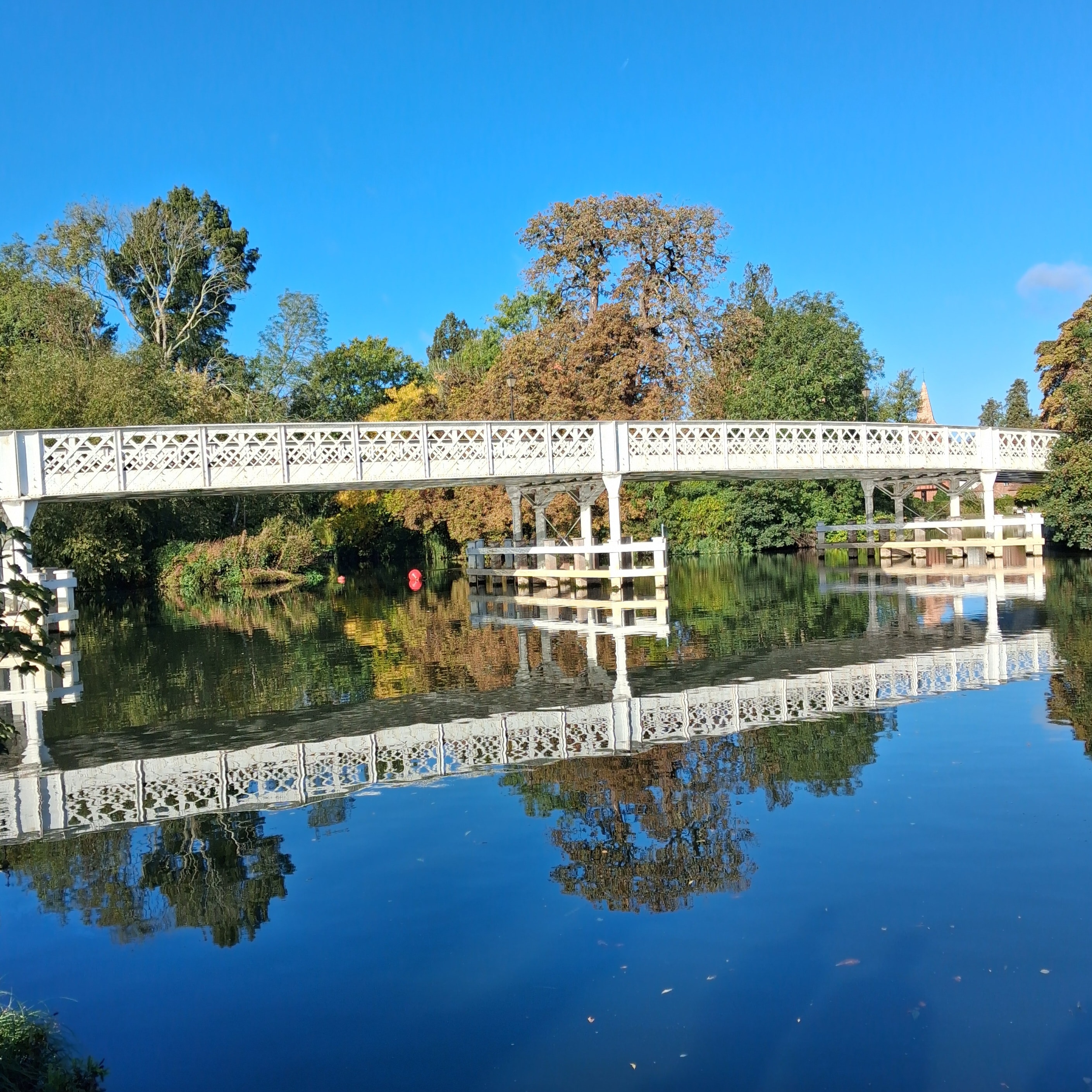
The pledge I wrote last weekend named Tolhurst and the River Thames as integral to this. That is not a coincidence. The Living Thames network embodies exactly the kind of cross-sector, place-based collaboration that WeKnowWhatWorks.Net is built to support and scale.
Rivers connect landscapes and communities. They carry evidence downstream. They are where climate risk is most visible and most felt. They are where collaboration is most necessary — and most possible.
What comes next
This platform is a beginning, not a finished thing. Over the coming months, we will be building:
- A mapping capability showing open source climate and flood data, with a register of source data and reports so users can always return to the evidence
- A growing library of case studies — what worked, where, and why
- A space for architects, engineers, researchers, practitioners, communities and young people to find each other and work together
- The bid for the UKRI What Works Centre for a Climate Resilient UK
If you are reading this and you know what works — in your landscape, your community, your discipline — we want to hear from you.
One week from pledge to platform. Imagine what the next year looks like.
Alison Carroll, Founder, WeKnowWhatWorks.Net* *24 October 2026
Do you know what works?
If you have evidence — from your landscape, your community, your discipline — we want to hear from you. WeKnowWhatWorks.Net is built on the knowledge of practitioners, researchers, communities and young people. Your contribution matters.